Gynecomastia is a condition that causes excess breast tissue to develop in men, often leading to a chest appearance that feels disproportionate or feminine. While it can occur at any age, gynecomastia commonly develops during puberty or later in adulthood due to hormonal fluctuations, genetics, certain medications, or weight changes. For many men, this condition can cause self-consciousness, discomfort, or reluctance to participate in activities like swimming or exercise. As part of modern male plastic surgery, gynecomastia surgery offers a safe and effective way to restore a sculpted, more masculine chest contour. Board-certified plastic surgeon Christine Petti, MD provides advanced surgical techniques designed to remove excess tissue and create natural-looking, long-lasting results tailored to each patient’s unique anatomy.
What Are the Benefits of Gynecomastia Surgery?
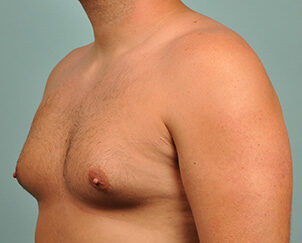
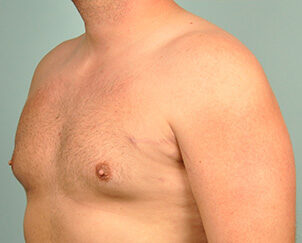
Gynecomastia surgery, also known as male breast reduction, can provide both physical and emotional benefits for those who struggle with enlarged male breasts. By removing excess glandular tissue, fat, and sometimes skin, this procedure can reshape the chest to achieve a trim and masculine appearance.
One of the primary advantages of gynecomastia treatment is an improved chest contour. Men who have persistent breast enlargement despite maintaining a healthy lifestyle often find that surgery is the most effective solution for achieving a firmer chest. This surgery can also help reduce puffiness of the nipples and improve overall chest symmetry.
In addition to aesthetic improvements, many patients experience a boost in confidence following surgery. Feeling more comfortable with the appearance of their chest can make it easier to wear fitted clothing, go shirtless at the beach or pool, and engage in social or athletic activities without embarrassment.
Gynecomastia surgery can also deliver long-lasting results when combined with a stable weight and healthy lifestyle. Since the excess glandular tissue is removed, this condition usually does not return unless significant hormonal changes occur.

Who Is a Candidate for Gynecomastia Surgery?
Men who are bothered by enlarged breast tissue that does not improve with diet or exercise may be good candidates for gynecomastia surgery. Ideal candidates are typically in good overall health and have realistic expectations about what the procedure can achieve.
Potential patients often include men who experience:
- Persistent breast enlargement caused by excess glandular tissue or fat
- Puffy or protruding nipples
- Chest asymmetry related to gynecomastia
- Emotional discomfort or self-consciousness due to the appearance of their chest
Candidates should generally be at or near a stable weight and have good skin elasticity, which can help the chest adapt to its new contour after surgery. Patients who smoke may be asked to stop temporarily before and after surgery to support proper healing.
In some cases, gynecomastia develops due to medications or underlying medical conditions.
During your consultation, Dr. Petti can review your medical history and discuss potential contributing factors to determine whether surgery is the most appropriate solution.
How Is Gynecomastia Surgery Performed?
In most cases, male breast reduction is performed as an outpatient procedure, meaning patients can return home the same day. This treatment may be completed using liposuction, surgical tissue removal, or a combination of both techniques, depending on the underlying cause and severity of the condition.
When excess fatty tissue is the primary concern, liposuction may be used to gently remove fat deposits through small, strategically placed incisions. This technique allows for precise contouring of the chest while minimizing visible scarring.
Dr. Petti is an expert in Smartlipo Triplex™ liposuction. Smartlipo Triplex™ is unique in that it gives Dr. Petti the opportunity to focus on skin tightening following fat reduction, and this can produce smoother, more natural, and superior aesthetic results. Since male fat is generally more dense and fibrous, laser liposuction can be an excellent technique to use. Smartlipo Triplex™ is a minimally invasive body contouring procedure that combines advanced laser technology and liposuction to both reduce fat and tighten skin.
If glandular breast tissue is present, a small incision is often made along the edge of the areola so that the dense tissue can be carefully excised. In cases where significant skin laxity exists, additional skin tightening techniques may be incorporated to create a smoother, more natural chest shape.
Throughout the procedure, Dr. Petti focuses on achieving balanced, natural-looking results that complement the patient’s overall physique. The goal is to create a chest contour that appears masculine and proportional while keeping scars as discreet as possible.
What Is the Gynecomastia Surgery Recovery Process Like?
Recovery after gynecomastia treatment is generally straightforward, and most patients may resume many normal activities within a relatively short period of time.
Following surgery, patients typically wear a compression garment around the chest. This garment helps reduce swelling, supports the healing tissues, and assists in shaping the new chest contour. Mild swelling, bruising, and temporary soreness are common in the first few days but usually improve steadily.
Many patients feel comfortable returning to work and light daily activities within about one week, depending on the nature of their job. More strenuous exercise, heavy lifting, and upper body workouts should be postponed for several weeks to allow the chest to heal properly.
Over time, swelling gradually subsides and the chest becomes more defined. Dr. Petti can provide personalized recovery instructions and follow-up care to help ensure optimal healing and results.
How Long Do Gynecomastia Surgery Results Last?
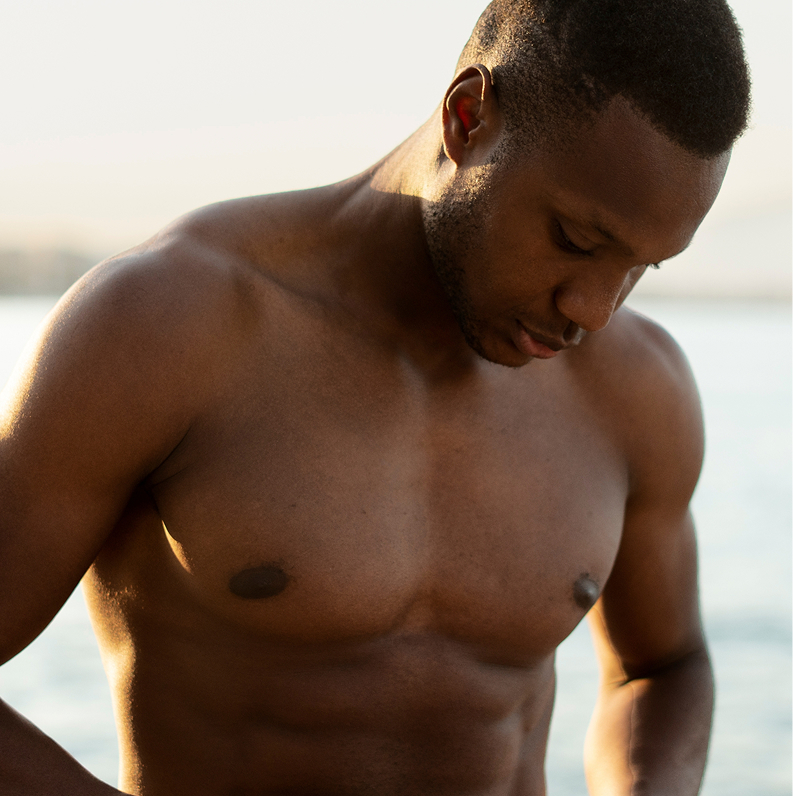
The results of male breast reduction can be long-lasting. Once excess glandular tissue and fat have been removed, the chest generally maintains its new contour as long as patients maintain a stable weight and healthy lifestyle.
While the removed tissue does not regenerate, significant weight gain, hormonal imbalances, or certain medications could potentially lead to new fat accumulation in the chest area. Maintaining good health habits and following medical guidance can help preserve the surgical outcome.
Most patients notice an immediate improvement in chest shape after surgery, though the final results typically become more apparent as swelling continues to diminish over the following weeks and months. Oftentimes, as healing progresses, the chest appears firmer and more proportionate to the rest of the body.
If you are bothered by the appearance of enlarged male breasts, gynecomastia surgery may provide the solution you’ve been seeking. Contact our office today to schedule a consultation with Dr. Petti and learn how this procedure can help you achieve a more masculine chest contour and a boost in self-confidence.